
Dyslipidemia is common and often misunderstood. It usually has no noticeable symptoms, so many people don’t realize they have it until serious problems arise. Even though it is silent, it can be dangerous, heart disease remains the leading cause of illness and death (Soliman, G. A. 2019). Learning about dyslipidemia can help you prevent heart disease and protect your long-term health.
Dyslipidemia refers to having abnormal levels of lipids (fats) in the blood. Because lipids cannot travel through the bloodstream on their own, they bind to proteins, forming lipoproteins. Doctors typically look for high levels of low-density lipoprotein cholesterol (LDL-C), low levels of high-density lipoprotein cholesterol (HDL-C), and/or high triglycerides (TG).
Triglycerides are the primary form of fat in the body and are also found in many foods. The liver then packages cholesterol, triglycerides, and proteins into lipoproteins so these fats can travel throughout the body. Triglycerides are stored for later use, like keeping food in a pantry and used when needed.
LDL-C is needed for normal cell function. Although LDL is often called the “bad cholesterol,” LDL-cholesterol itself is not harmful. Problems occur when LDL-C levels are too high, allowing excess LDL to accumulate inside blood vessels like sticky debris, increasing the risk of heart attack and stroke.
HDL-C is considered the “good cholesterol” because it helps remove LDL-C from the arteries and transport it back to the liver for processing. Higher HDL-C levels are generally protective against heart disease.
Abnormal levels of any lipid, LDL-C, HDL-C, or triglycerides, can increase your overall risk for heart disease.
Knowing your cholesterol levels is important because abnormal results over time significantly increase the risk of heart attack, stroke, and atherosclerosis (Yaskolka Meir, et al. 2021). Plaque buildup, atherosclerosis, can gradually block blood vessels, often without symptoms until serious damage occurs.
Healthy lipid targets:
- LDL-C: Less than 100 mg/dL
- HDL-C: 40 mg/dL or higher
- Triglycerides: Less than 150 mg/dL
There are two types of risk factors for dyslipidemia. Some are inherited, such as genetics, biological sex, and family history. Others are related to lifestyle, including poor diet, lack of exercise, smoking, excessive alcohol use, being overweight, and having diabetes. Consider that excess calories, alcohol, and sugar are converted into TG and stored as extra energy in the body contributing to weight gain.
Lifestyle-related factors can be changed. Improving your diet, exercising regularly, quitting smoking, and limiting alcohol can lower your risk of heart disease. Losing weight and maintaining healthy blood sugar levels also help reduce overall risk.
Nutrition Intervention #1
Diet and lifestyle modifications have been shown to lower LDL-C and triglyceride levels while increasing HDL-C (Koutsos A, Riccadonna S., et al. 2020). In a randomized study of 23 women and 17 men with mildly elevated cholesterol, researchers tested the effect of consuming two apples per day on lipid profiles and cardiovascular markers (Koutsos A, Riccadonna S., et al. 2020). The study found that apples, rich in polyphenols and fiber, helped lower cholesterol and improve vascular function (Koutsos A, Riccadonna S., et al. 2020).
Nutrition Intervention #2
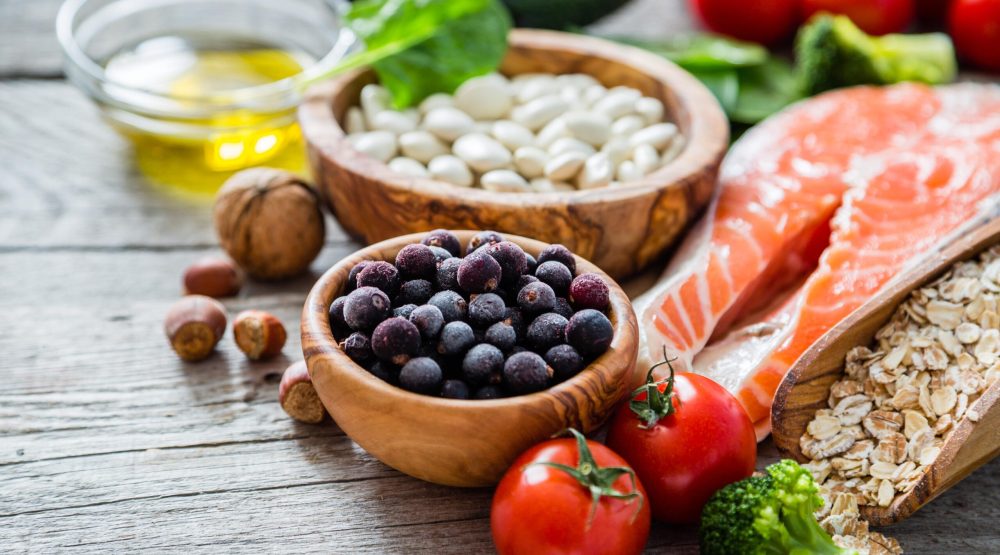
Make dietary fiber your friend. Fiber acts like a broom in your digestive tract, clearing out debris and preventing harmful substances from entering the bloodstream (Soliman, G. A. 2019). Soluble fiber (such as pectin and psyllium) binds to bile acids and cholesterol in the gut, reducing absorption, one way it helps lower cholesterol (Soliman, G. A. 2019). Fruits (apples, berries, pears), vegetables, nuts, seeds, beans, and legumes are all naturally high in dietary fiber (Soliman, G. A. 2019).
Nutrition Intervention #3
Finally, reduce your intake of trans fats. These are commonly found in processed foods made with partially hydrogenated vegetable oils, such as cookies, margarine, baked goods, fried foods, and other ultra-processed snacks (Tokede OA, et al. 2013). Trans fats significantly increase the risk of dyslipidemia and heart disease. They raise LDL-C, lower HDL-C, and increase the risk of coronary artery disease, heart attack, and stroke as cookies, margarine, baked goods, fried foods, and other ultra-processed snacks (Tokede OA, et al. 2013).
Check nutrition labels and choose foods with no trans fats or partially hydrogenated oils. Look for items that contain dietary fiber and aim for about 25 grams of fiber per day.
Reference:
- Soliman, G. A. (2019). Dietary Fiber, Atherosclerosis, and Cardiovascular Disease. Nutrients, 11(5), 1155. https://doi.org/10.3390/nu11051155 Retrieved from: https://pubmed.ncbi.nlm.nih.gov/31840162/
- Koutsos A, Riccadonna S, Ulaszewska MM, et al. Two apples a day lower serum cholesterol and improve cardiometabolic biomarkers in mildly hypercholesterolemic adults: a randomized, controlled, crossover trial. Am J Clin Nutr. 2020;111(2):307-318. https://pubmed.ncbi.nlm.nih.gov/31840162/
- Tokede OA, Petrone AB, Hanson NQ, et al. Plasma phospholipid trans fatty acids and risk of heart failure. Am J Clin Nutr. 2013;97(4):698-705. https://pmc.ncbi.nlm.nih.gov/articles/PMC3607651/
- Yaskolka Meir, A., Rinott, E., Tsaban, G., et al. Effect of green-Mediterranean diet on intrahepatic fat. Gut, 70(11), 2085–2095. https://doi.org/10.1136/gutjnl-2020-323106 Retrieved from: https://pubmed.ncbi.nlm.nih.gov/33461965/